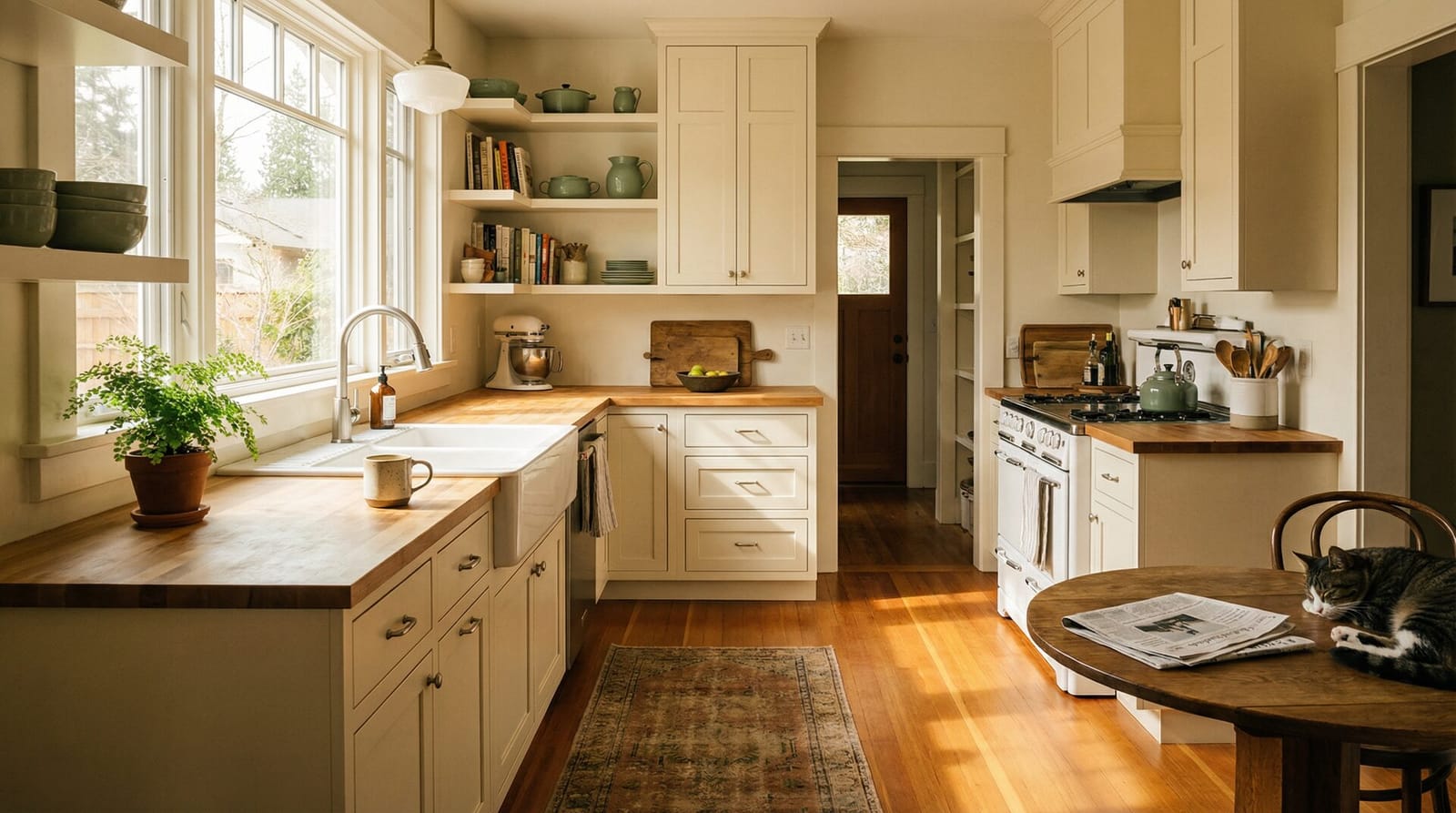
Somebody finished that basement. Somebody wired that shop, plumbed that extra bathroom, or turned that garage into a bedroom. Maybe it was you, maybe it was three owners ago. Either way, when it is time to sell, the question arrives: was it permitted? Here is how unpermitted work actually plays at sale time in Snohomish County, without the scare tactics.
The disclosure is not optional
Washington sellers fill out the Seller Disclosure Statement, the famous Form 17, and it asks about alterations and whether required permits were obtained. You answer to the best of your knowledge, and honestly. Concealing known unpermitted work is the one genuinely bad option on the menu: it can surface in inspection anyway, it poisons the negotiation when it does, and it can follow you legally after closing. Every other path is manageable. That one is not.
What actually requires a permit
Rule of thumb: structure, additions, electrical, and plumbing generally require permits; paint, flooring, and cabinets generally do not. The details vary by jurisdiction, and in Snohomish County that means Planning and Development Services for unincorporated areas or your city's permit office. If you are not sure what applies to your project history, that is a lookup worth doing before the buyer's inspector does it for you.
What buyers, lenders, and inspectors do with it
Most unpermitted work does not kill a sale. It gets priced. A buyer may ask for a credit, a correction, or simply accept it with eyes open. The complications concentrate in the bigger stuff: converted spaces marketed as living area can draw questions from appraisers and lenders, and significant unpermitted systems make inspectors slow down. The pattern I have seen across my years of selling: the damage comes from surprise, not from the work itself. A seller who fronts the issue keeps control of the story and the price.
One more thing worth knowing in 2026: these mismatches are surfacing faster than they used to. My own suspicion, based on what I am seeing rather than on any published policy, is that some jurisdictions are now running automated comparisons between listing details and county tax records. Everett is where I have watched it happen most. I have seen several homes there get red-tagged for obvious unpermitted changes, most often extra bathrooms, added kitchens, and detached accessory dwelling units. If your listing is going to describe a fourth bathroom that the tax record has never heard of, assume someone is going to notice, and decide how you want that conversation to go before it starts.
Your three honest options: disclose and price it in, pursue a retroactive permit where the jurisdiction allows it, or correct the work before listing. Which one wins is arithmetic, not philosophy, and it is exactly what a pre-listing walkthrough is for.
Where my team changes the math
This is a spot where my Home Transition Team earns its name. Pre-sale corrections run through SMART Building Services with licensed contractors. The work is normally paid as it is completed, and if a seller needs it, payment can be deferred until closing. Either way, the fix gets weighed against the price impact before anyone swings a hammer. Sometimes the answer is a correction. Sometimes it is disclosure, smart pricing, and the preparation playbook from my staging practice. The point is choosing on numbers instead of anxiety.
General information, not legal advice; permit requirements are jurisdiction-specific and change. Confirm specifics with Snohomish County Planning and Development Services or your city permit office, and talk to a real estate attorney for legal questions.
Not sure what that old remodel means for your sale?
Get the free pre-listing walkthrough. I will tell you plainly whether it is a disclosure, a permit, or a repair, and what each path is worth.
Book your pre-listing walkthroughOr call or text me directly: 425-250-9422